









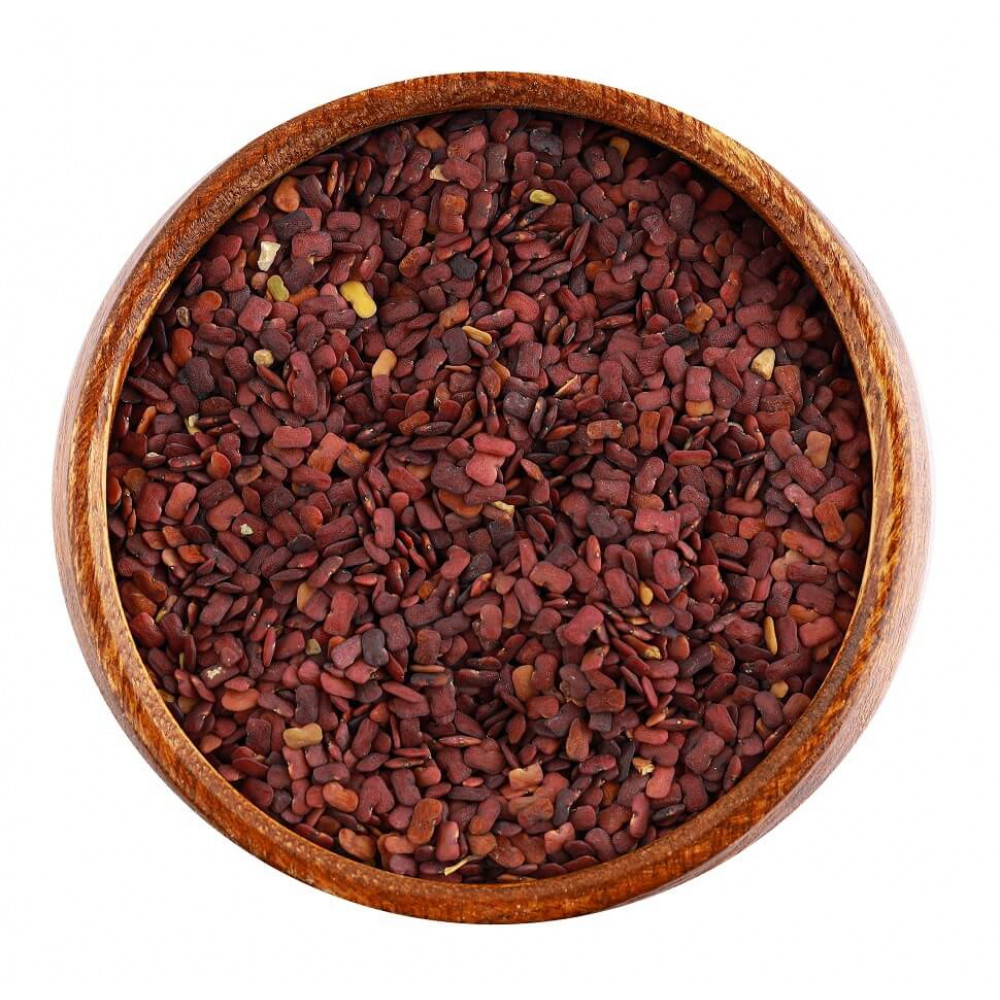
حلبة الخيل Red Fenugreek
د.م. 30,00 – د.م. 250,00نطاق السعر: من د.م. 30,00 خلال د.م. 250,00
الوصف الظاهري والنباتي
-
الشكل والأوراق: نبات عشبي حولي أو معمر، سيقانه متفرعة ومكسوة بشعيرات دقيقة، وأوراقه مركبة ريشية الشكل تتكون من عدة وريقات صغيرة متقابلة.
-
الأزهار: تُنتج أزهاراً صغيرة ذات لون أصفر، أو أبيض مائل للصفرة، وفي بعض الأنواع تكون أزهارها بنفسجية أو زرقاء متجمعة في عناقيد.
-
الثمار والبذور: تُنتج قروناً صغيرة تحتوي على بذور يشبه شكلها بذور الحلبة العادية لكنها عادة ما تكون أصغر حجماً، وأغمق لوناً (تترواح بين البني الداكن والرمادي)، وأكثر صلابة.
-
الرائحة: تتميز برائحة قوية ونفاذة تشبه رائحة الحلبة العادية لكنها أكثر حدة وقسوة.
الاستخدامات الشائعة والفرق بينها وبين الحلبة العادية
-
الاستخدام التقليدي: تُستخدم حلبة الخيل في الطب الشعبي والأعشاب التقليدية لبعض الأغراض الخارجية والبيطرية، حيث كانت تُعطى للحيوانات (كالخيل والماشية) لتقوية بنيتها أو زيادة شهيتها.
-
الاستخدام البشري: تُستخدم في بعض الخلطات الشعبية بحذر شديد وبكميات محددة، وغالباً للاستعمال الخارجي (كالضمادات أو اللبخات للأعصاب والمفاصل)، حيث إن طعمها شديد المرارة ولا تُستحلب عادة كالحلبة العادية.
-
الفرق الأساسي: الحلبة العادية (Trigonella foenum-graecum) هي المخصصة للغذاء والمشروبات اليومية وطعمها مقبول ومألوف، بينما حلبة الخيل برية، أشد مرارة، وأقل استخداماً في التغذية المباشرة.
آراء العملاء
معلومات الشحن
Chances are there wasn't collaboration, communication, and checkpoints, there wasn't a process agreed upon or specified with the granularity required. It's content strategy gone awry right from the start. Forswearing the use of Lorem Ipsum wouldn't have helped, won't help now. It's like saying you're a bad designer, use less bold text, don't use italics in every other paragraph. True enough, but that's not all that it takes to get things back on track.
The villagers are out there with a vengeance to get that Frankenstein
You made all the required mock ups for commissioned layout, got all the approvals, built a tested code base or had them built, you decided on a content management system, got a license for it or adapted:
- The toppings you may chose for that TV dinner pizza slice when you forgot to shop for foods, the paint you may slap on your face to impress the new boss is your business.
- But what about your daily bread? Design comps, layouts, wireframes—will your clients accept that you go about things the facile way?
- Authorities in our business will tell in no uncertain terms that Lorem Ipsum is that huge, huge no no to forswear forever.
- Not so fast, I'd say, there are some redeeming factors in favor of greeking text, as its use is merely the symptom of a worse problem to take into consideration.
- Websites in professional use templating systems.
- Commercial publishing platforms and content management systems ensure that you can show different text, different data using the same template.
- When it's about controlling hundreds of articles, product pages for web shops, or user profiles in social networks, all of them potentially with different sizes, formats, rules for differing elements things can break, designs agreed upon can have unintended consequences and look much different than expected.
This is quite a problem to solve, but just doing without greeking text won't fix it. Using test items of real content and data in designs will help, but there's no guarantee that every oddity will be found and corrected. Do you want to be sure? Then a prototype or beta site with real content published from the real CMS is needed—but you’re not going that far until you go through an initial design cycle.


المراجعات
مسح الفلاترلا توجد مراجعات بعد.